Auschwitz: An Introduction
I visited Auschwitz I and Auschwitz II-Birkenau.
There are few places where history feels this heavy, this close, and this quiet.
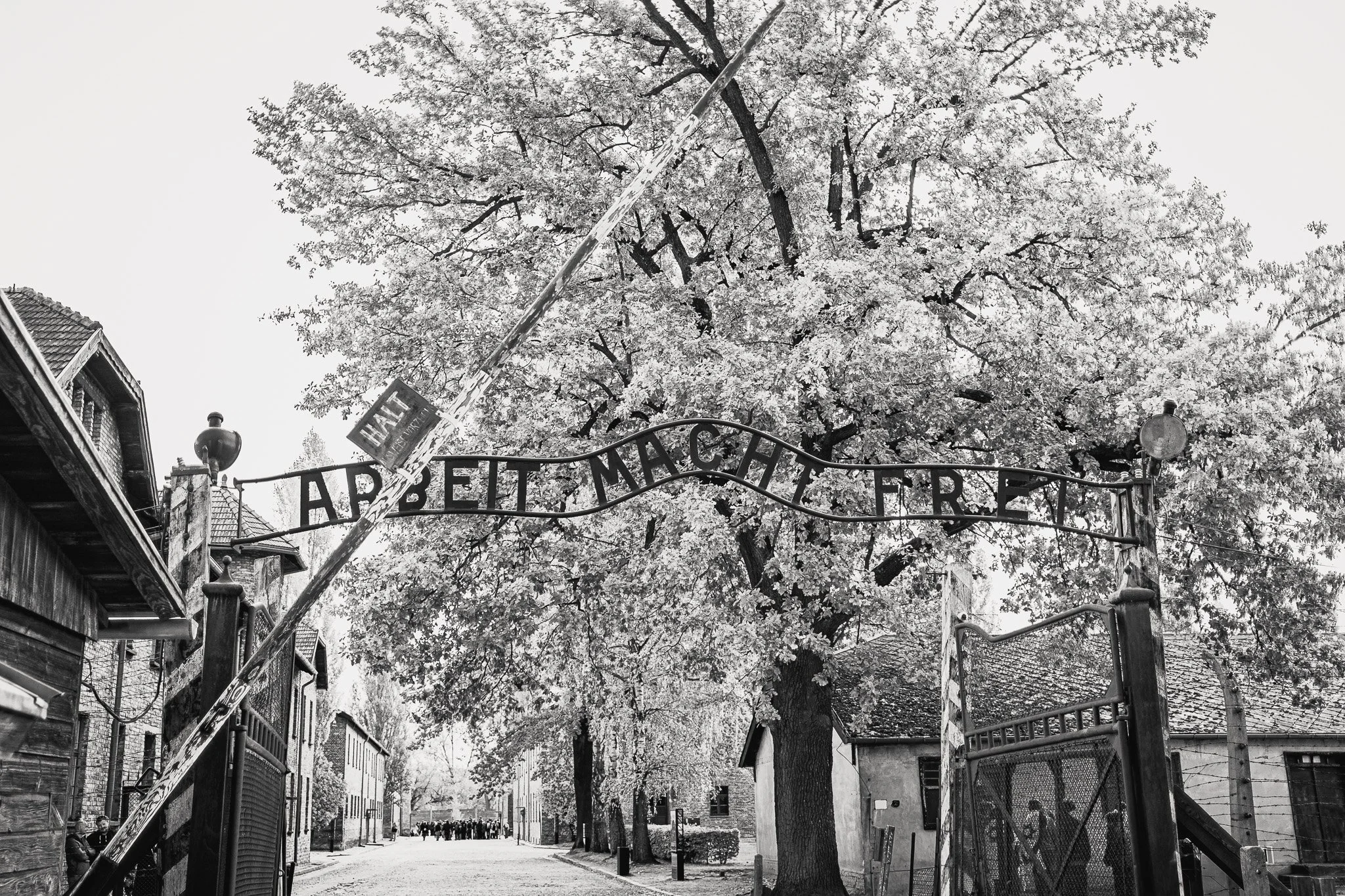
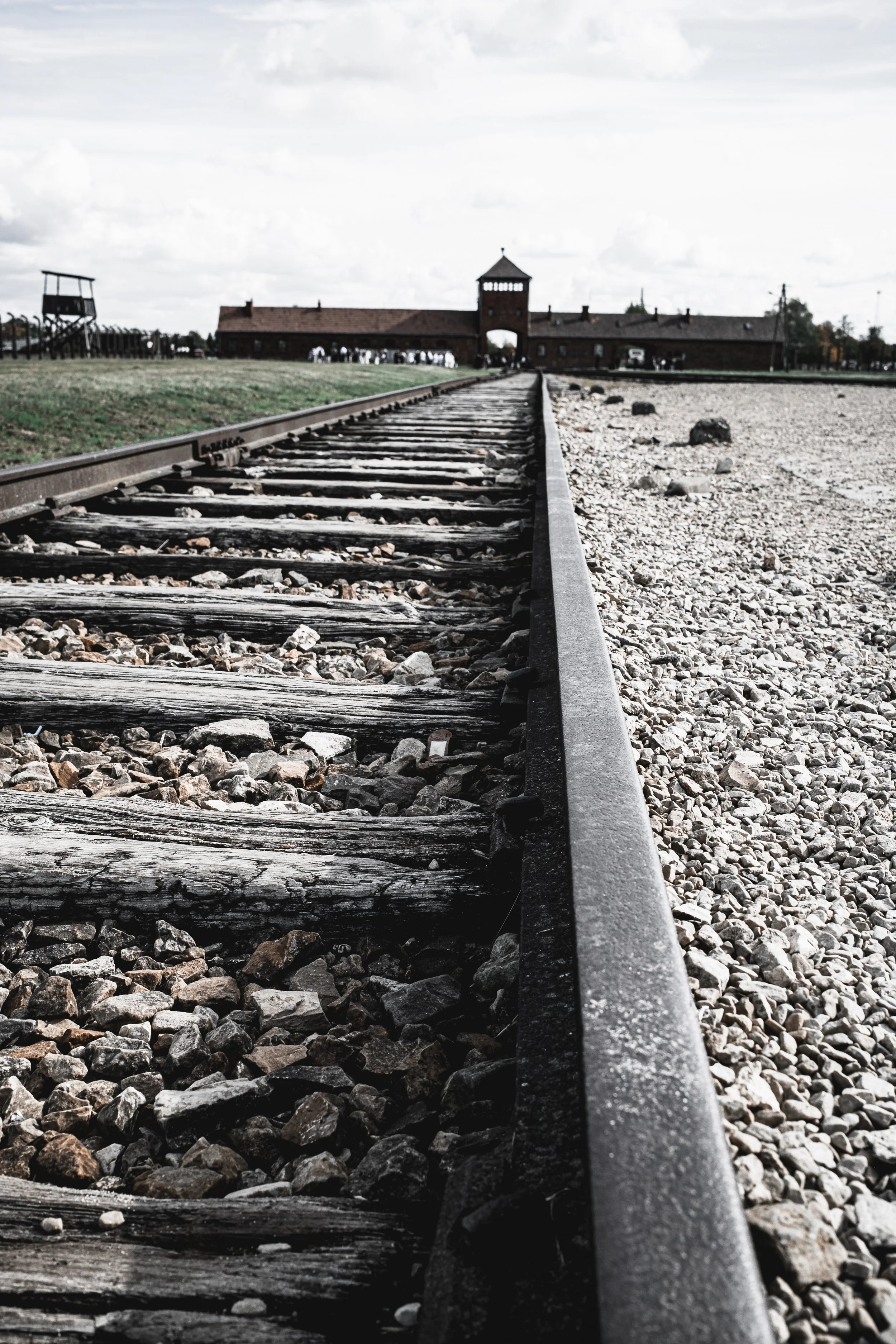
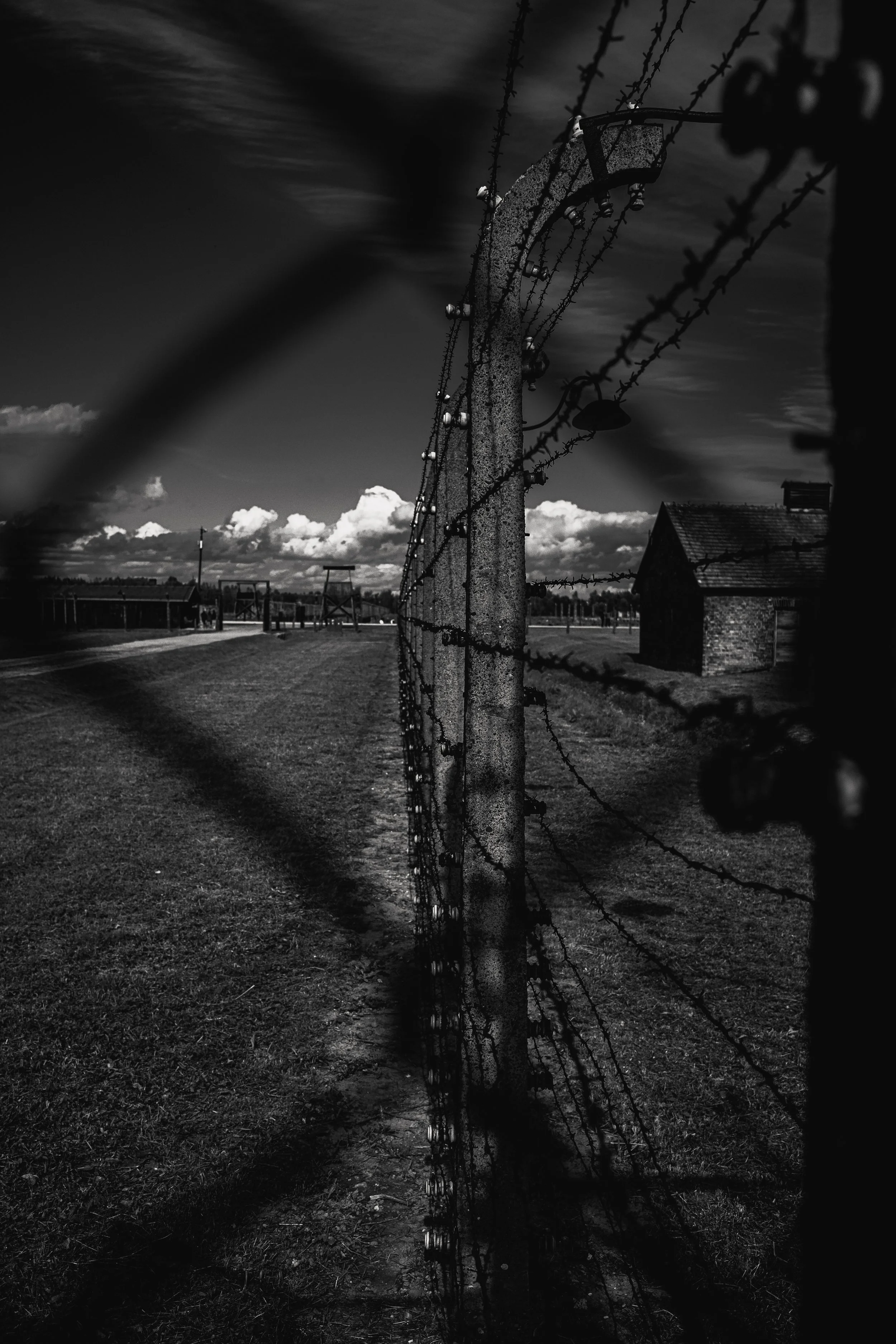
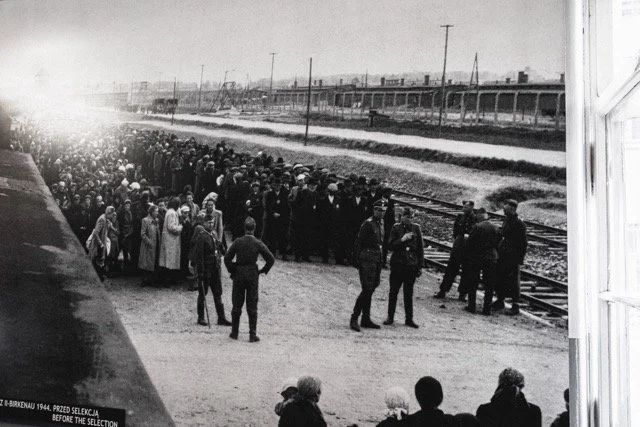
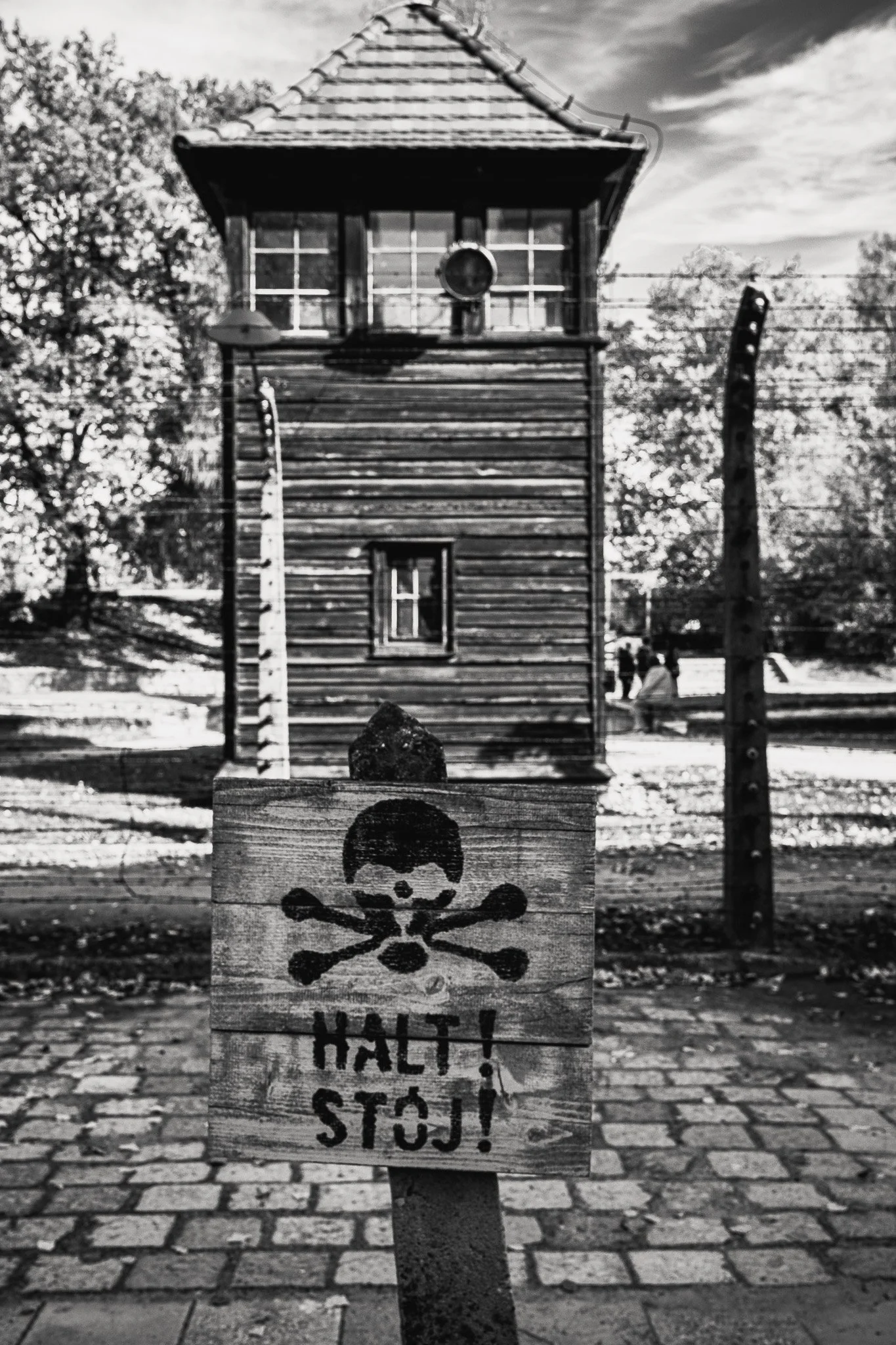
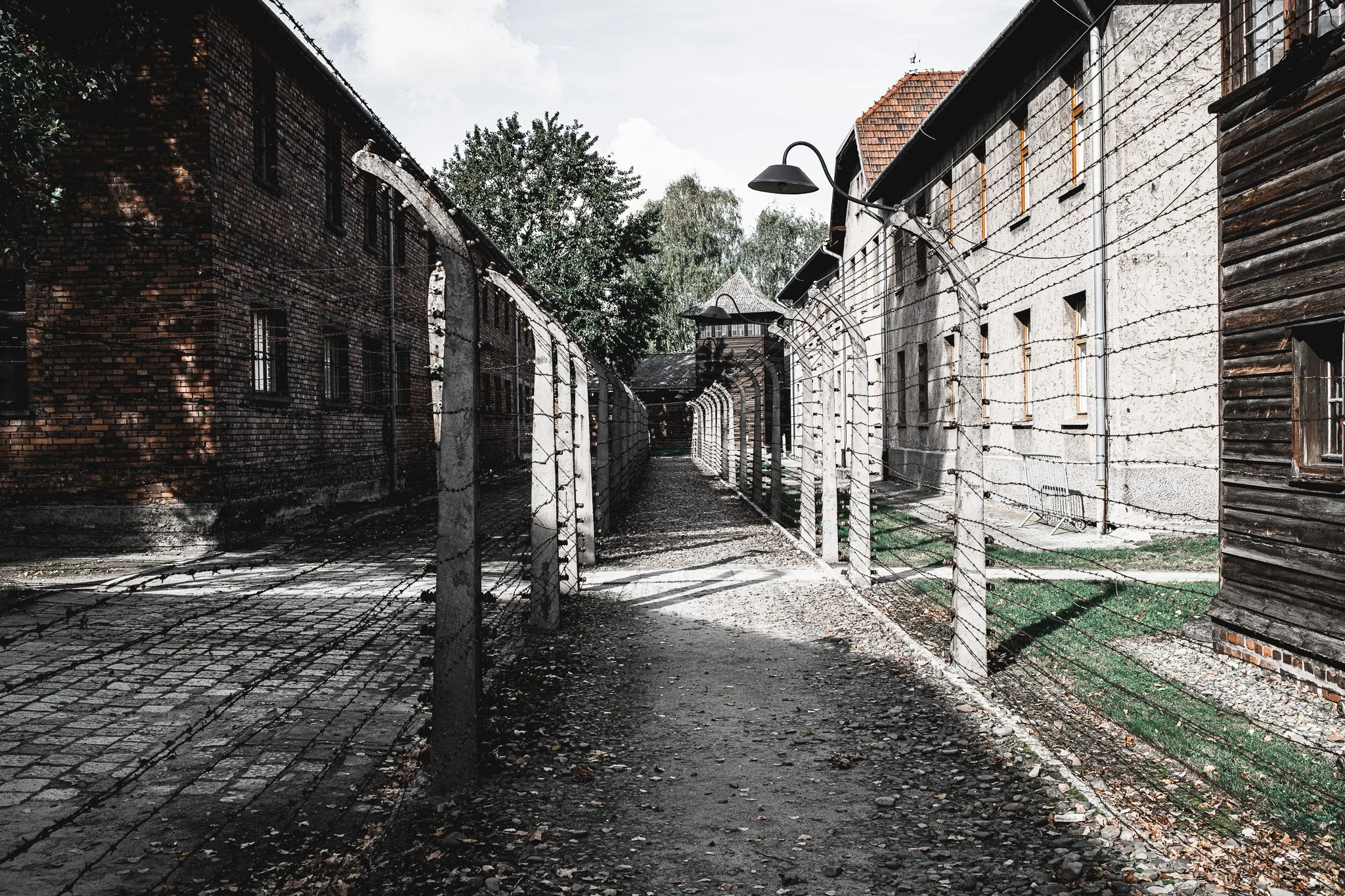
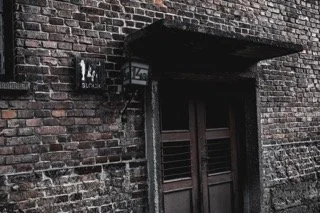
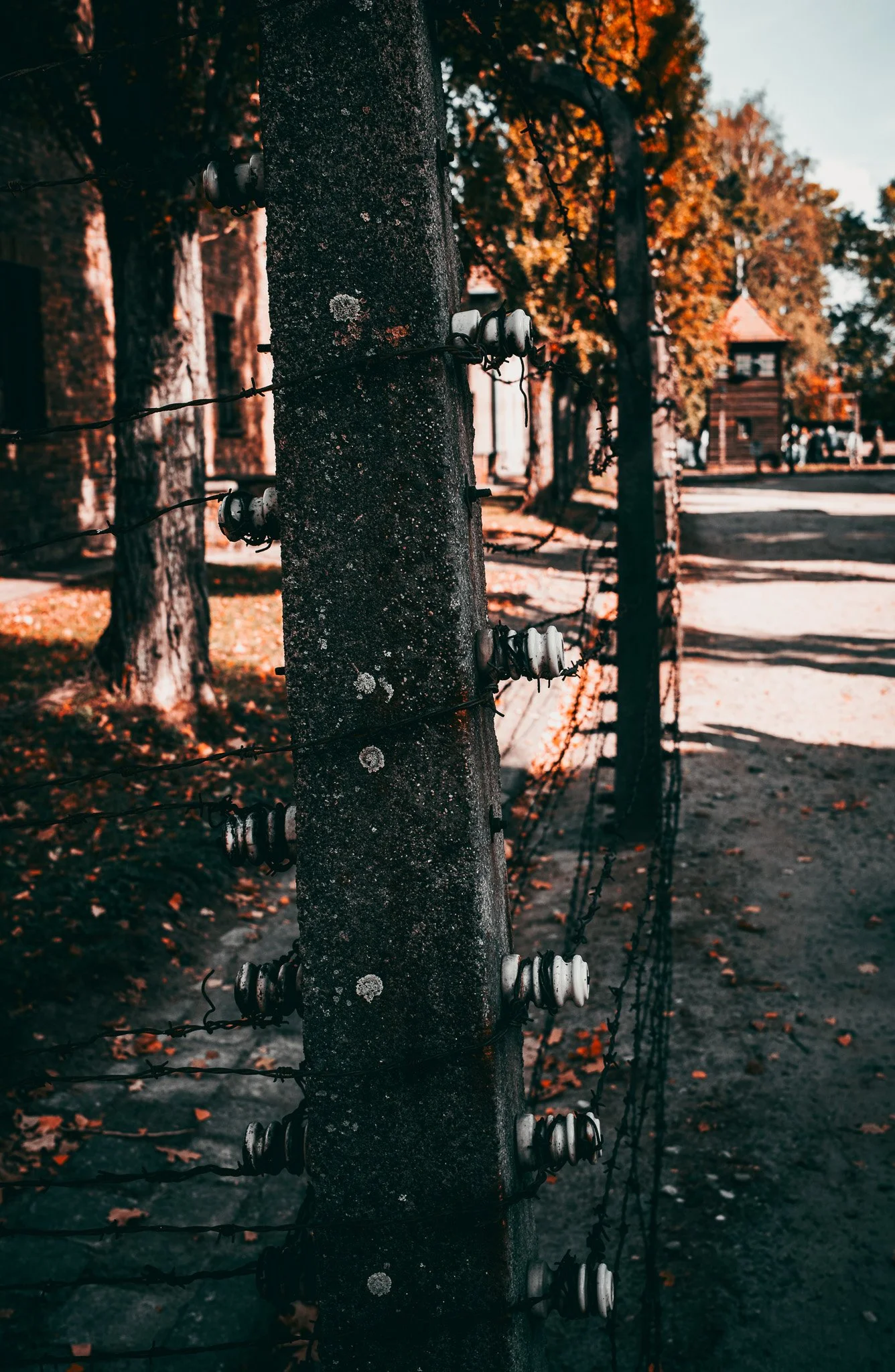
Auschwitz began as Auschwitz I - brick barracks, barbed wire, and a gate that infamously read Arbeit Macht Frei. A few kilometres away, Auschwitz II-Birkenau was built on a vastly larger scale: rows upon rows of wooden barracks, watchtowers, and the remains of gas chambers and crematoria. Together, they became the centre of the largest genocide in history.
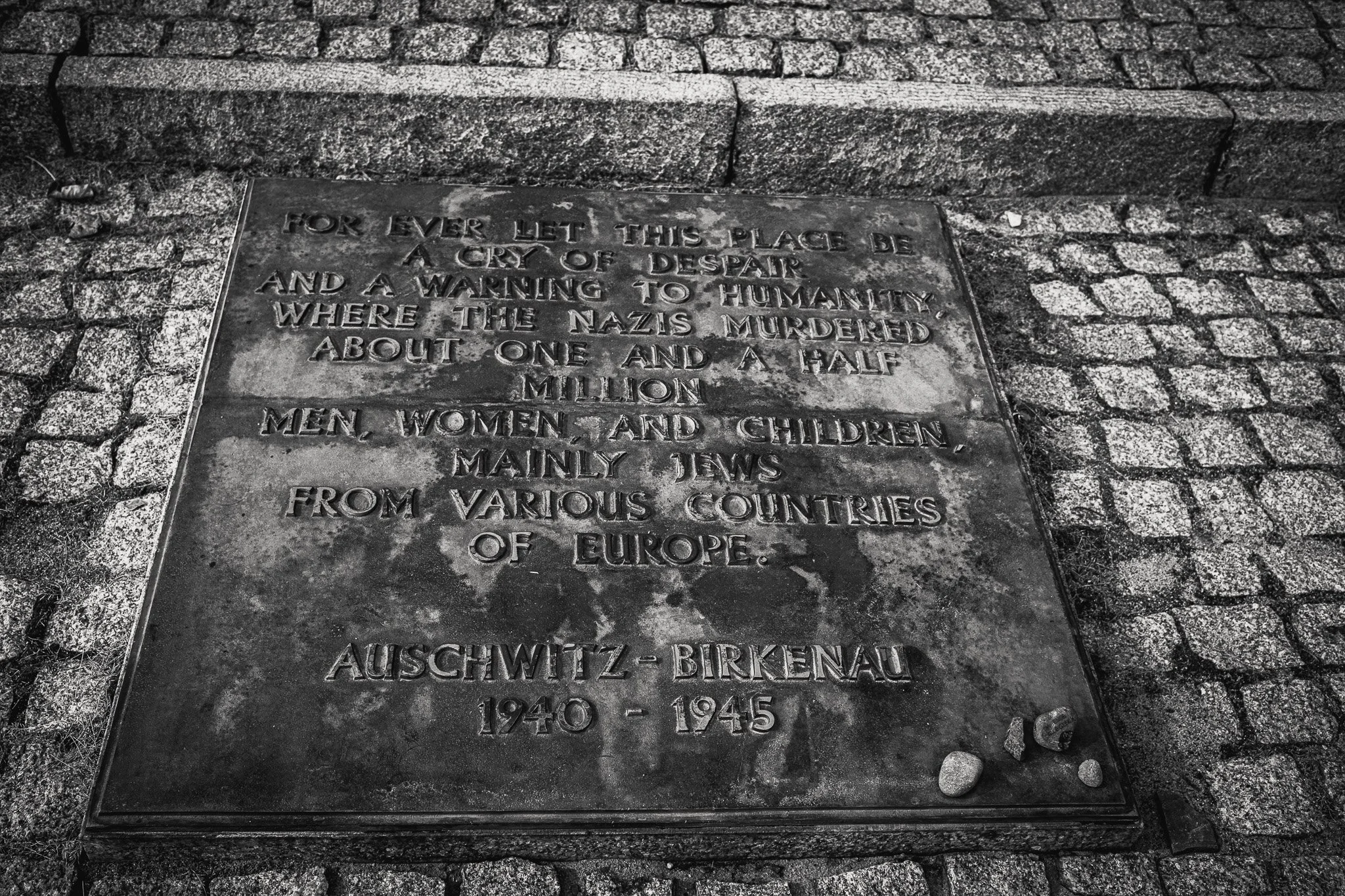
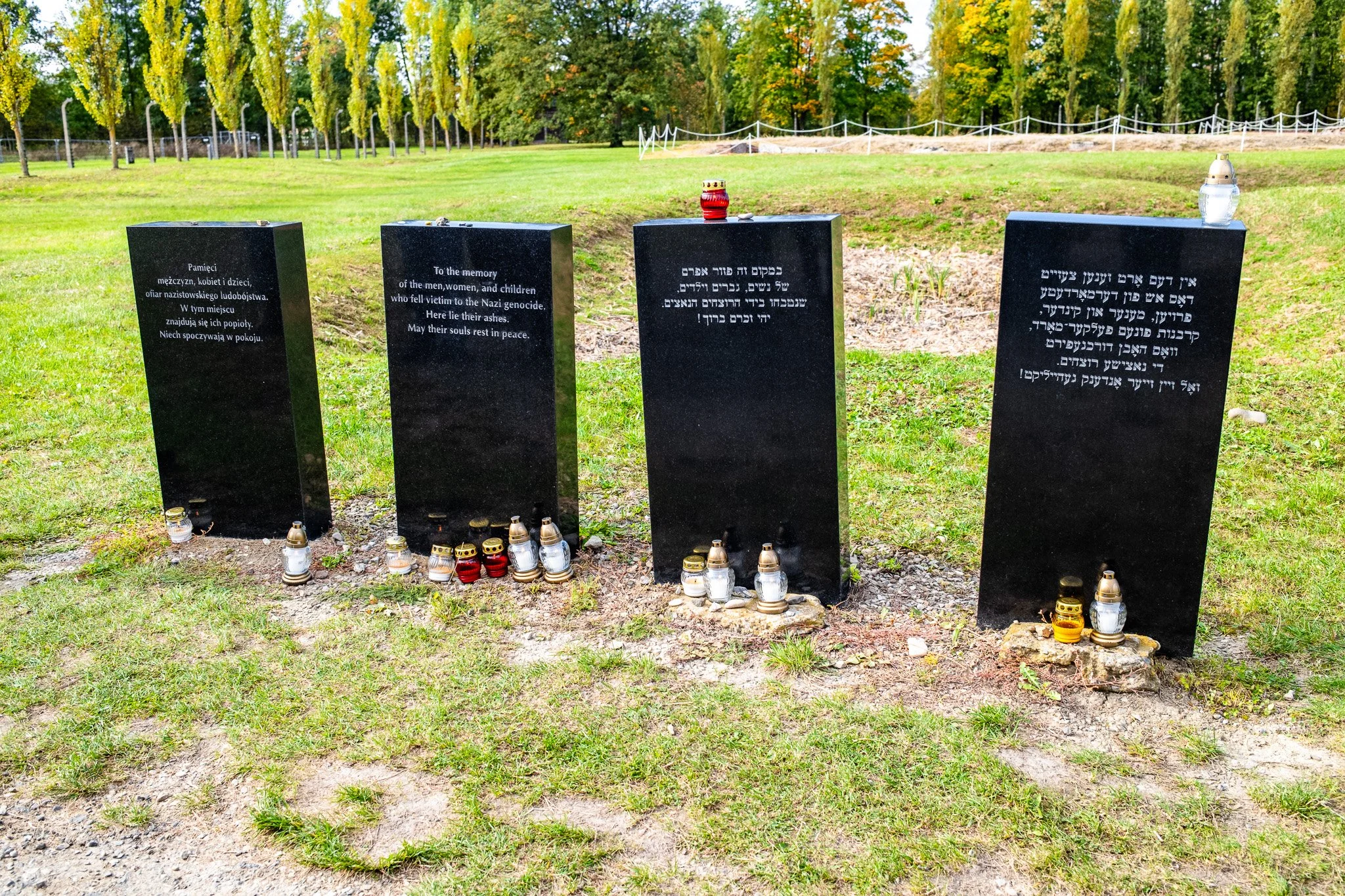
Between 1940 and 1945, more than 1.1 million people were murdered here. Most were Jews, targeted for total annihilation by the Nazi regime. Among them were also Poles, Roma and Sinti, Soviet prisoners of war, and many others.
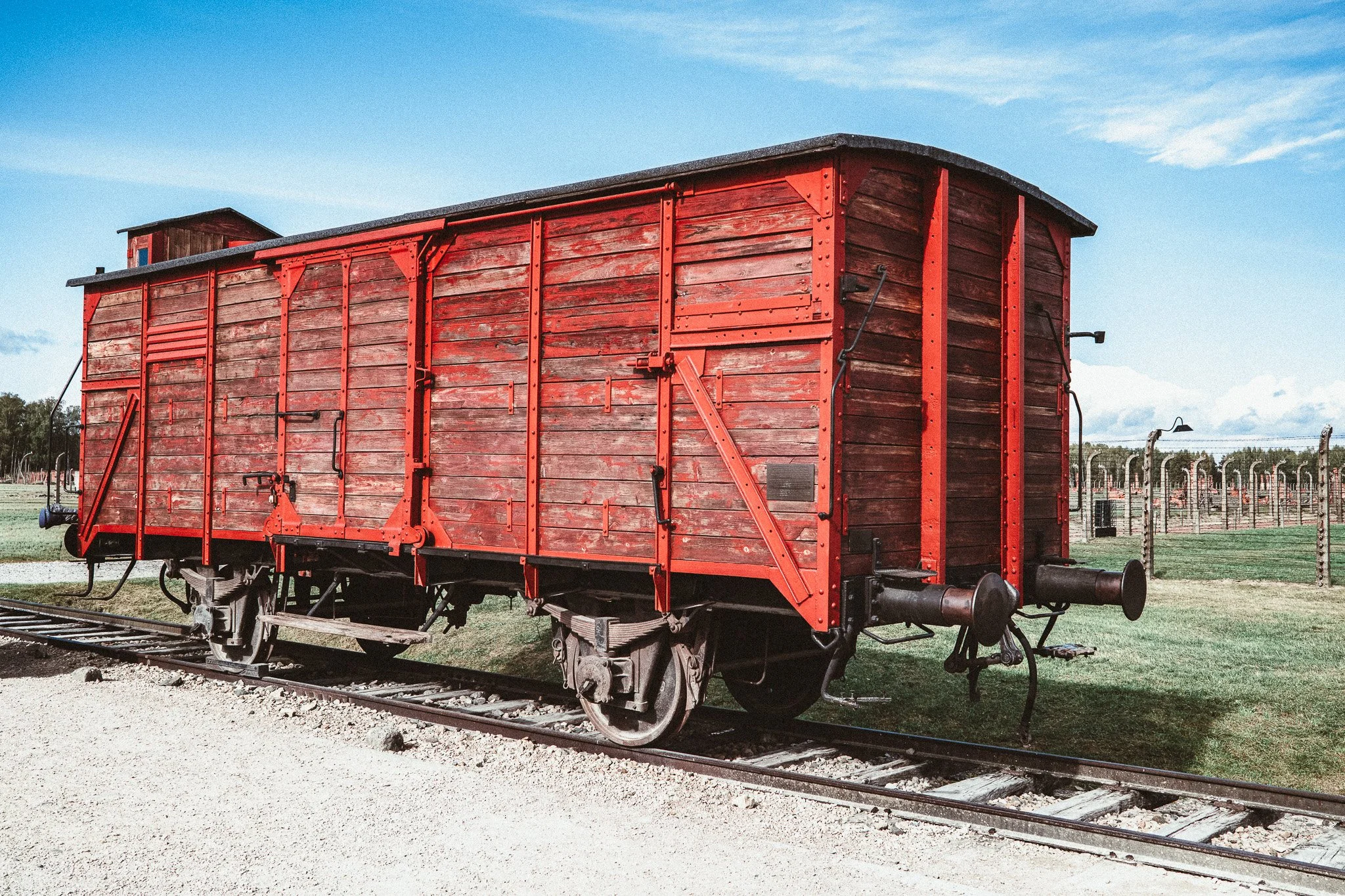
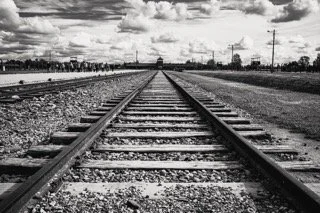
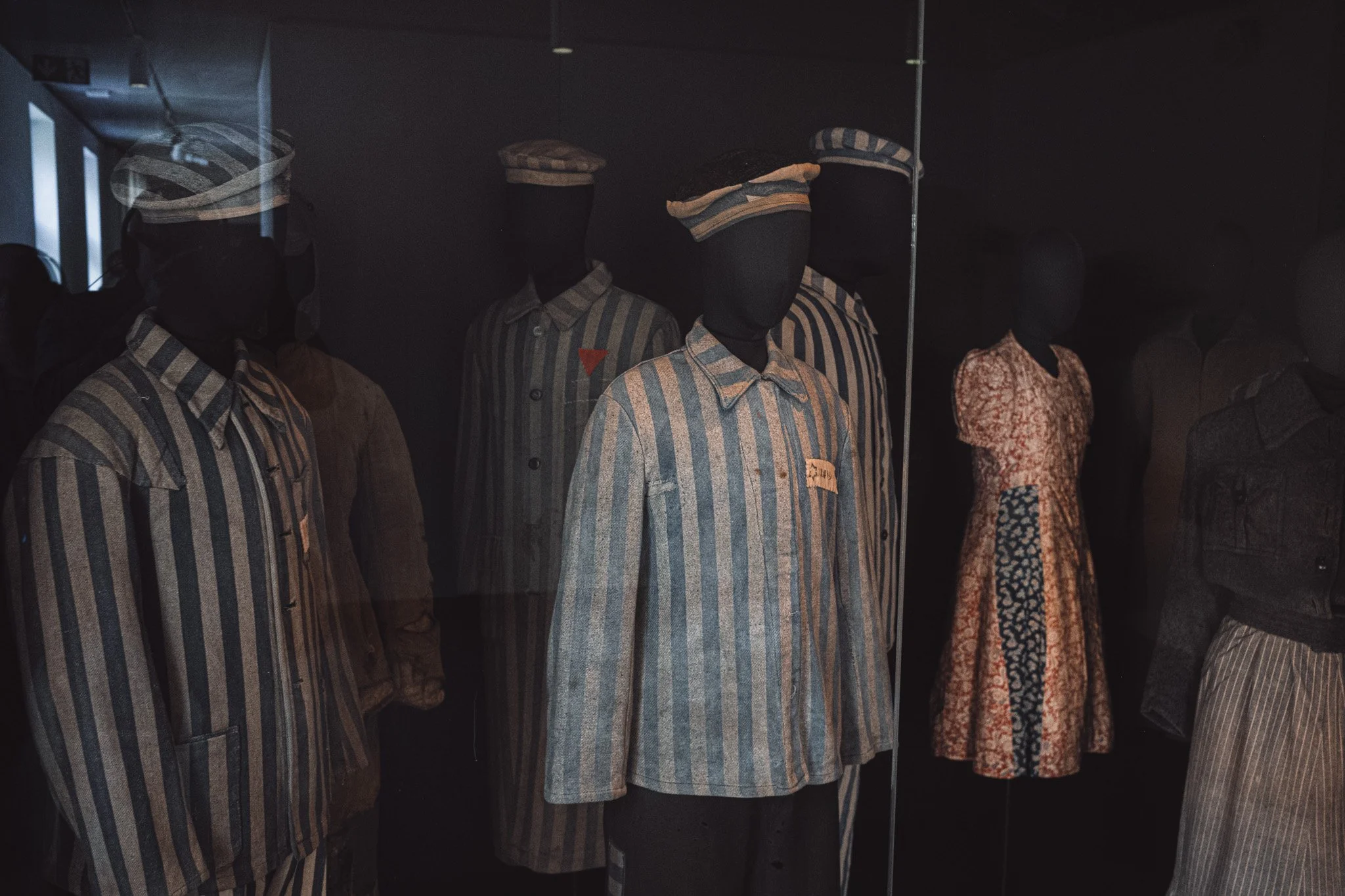
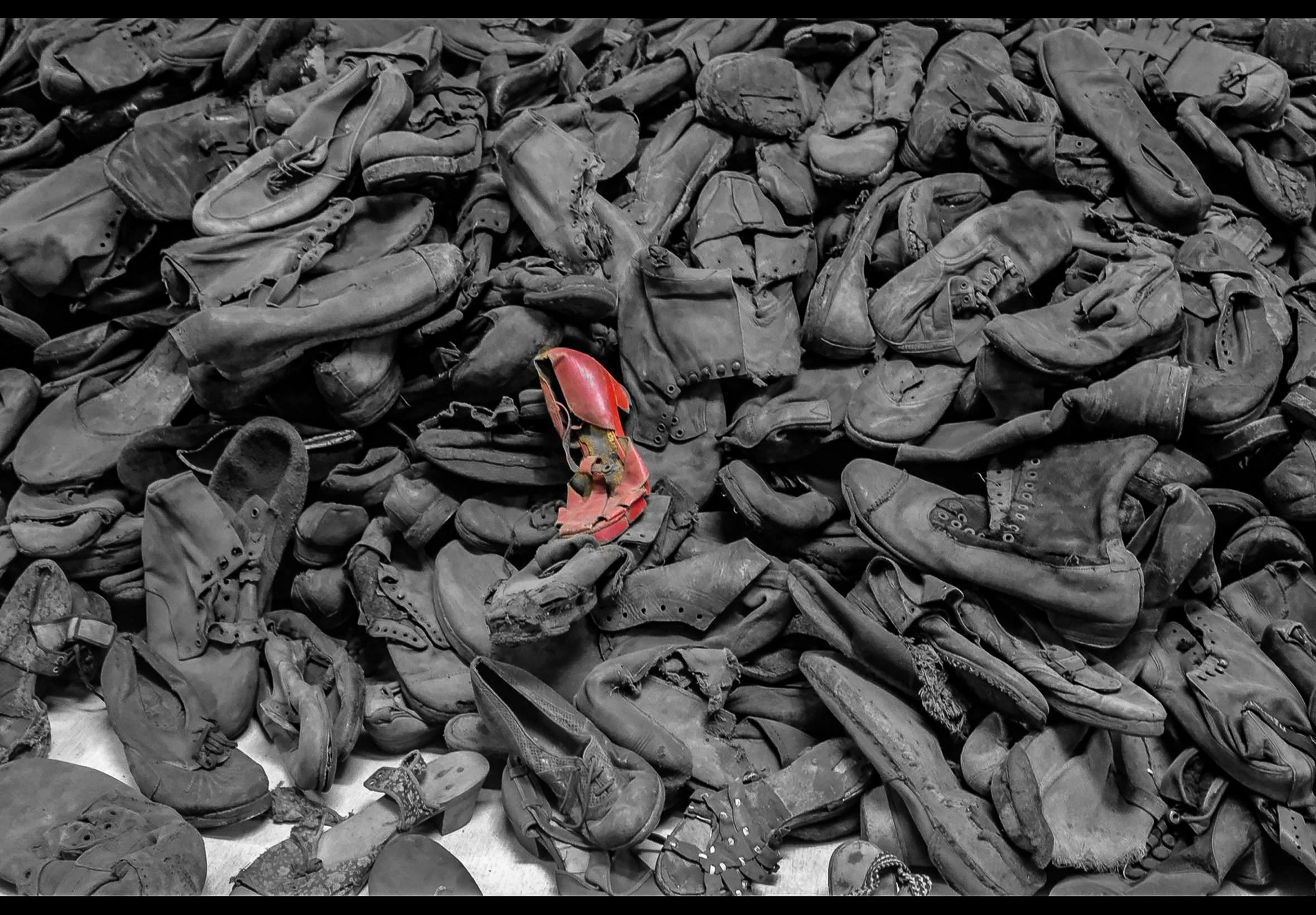
Walking through these places today is a deeply disorienting experience. It is at once ordinary and unthinkable. You see personal objects, suitcases, shoes, photographs, a child's shoe. You see bunks where many people were forced to share a space meant for one. You see walls, fences, and railway tracks that still lead nowhere.
The grief here is not only for those who died, but for the lives that were never allowed to be lived - for families, for cultures, for entire futures that were erased.
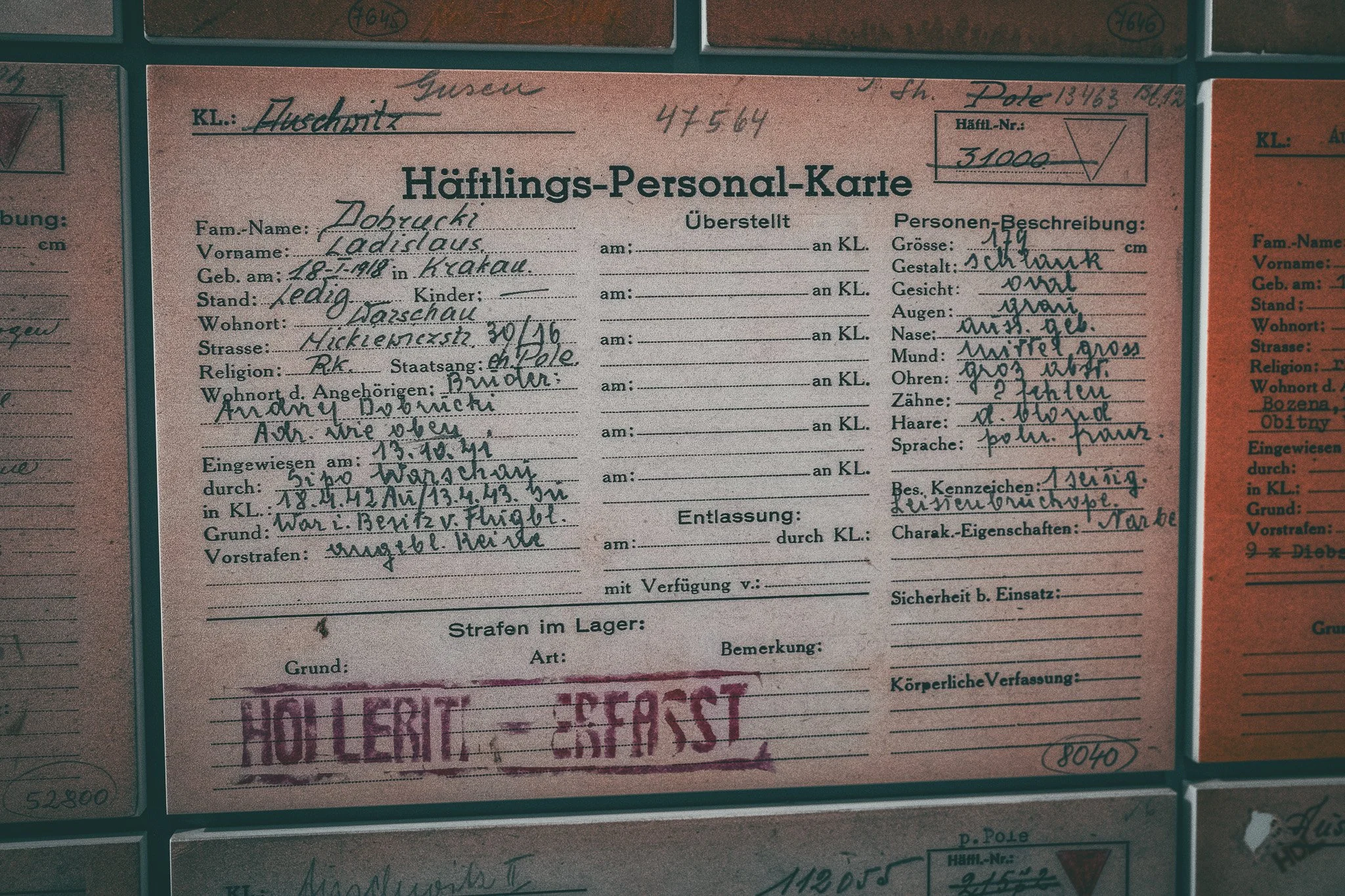
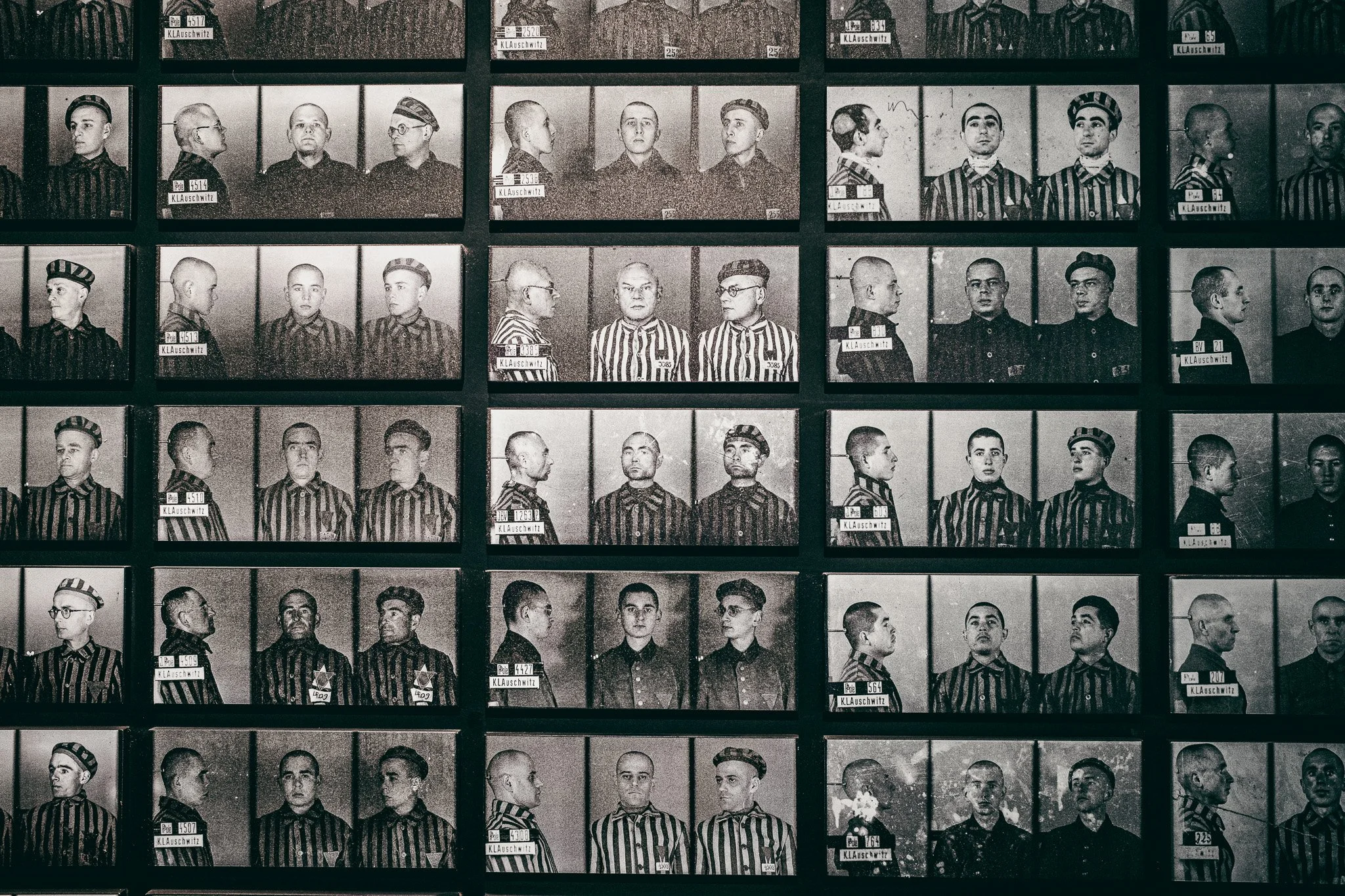
I took these photographs not to document horror, but to remember. The camera feels inadequate in a place like this, and perhaps it should. Some places are not meant to be easily captured. They are meant to be witnessed.
This is not a place about death. In the end, it is a place about people. About remembering their names, their humanity, and our shared responsibility to ensure such hatred is never allowed to take hold again.
We remember.